
Your Feet Are the Foundation of Your Entire Body.
Most Shoes Are Destroying Them.
Here’s the science — and the solution.
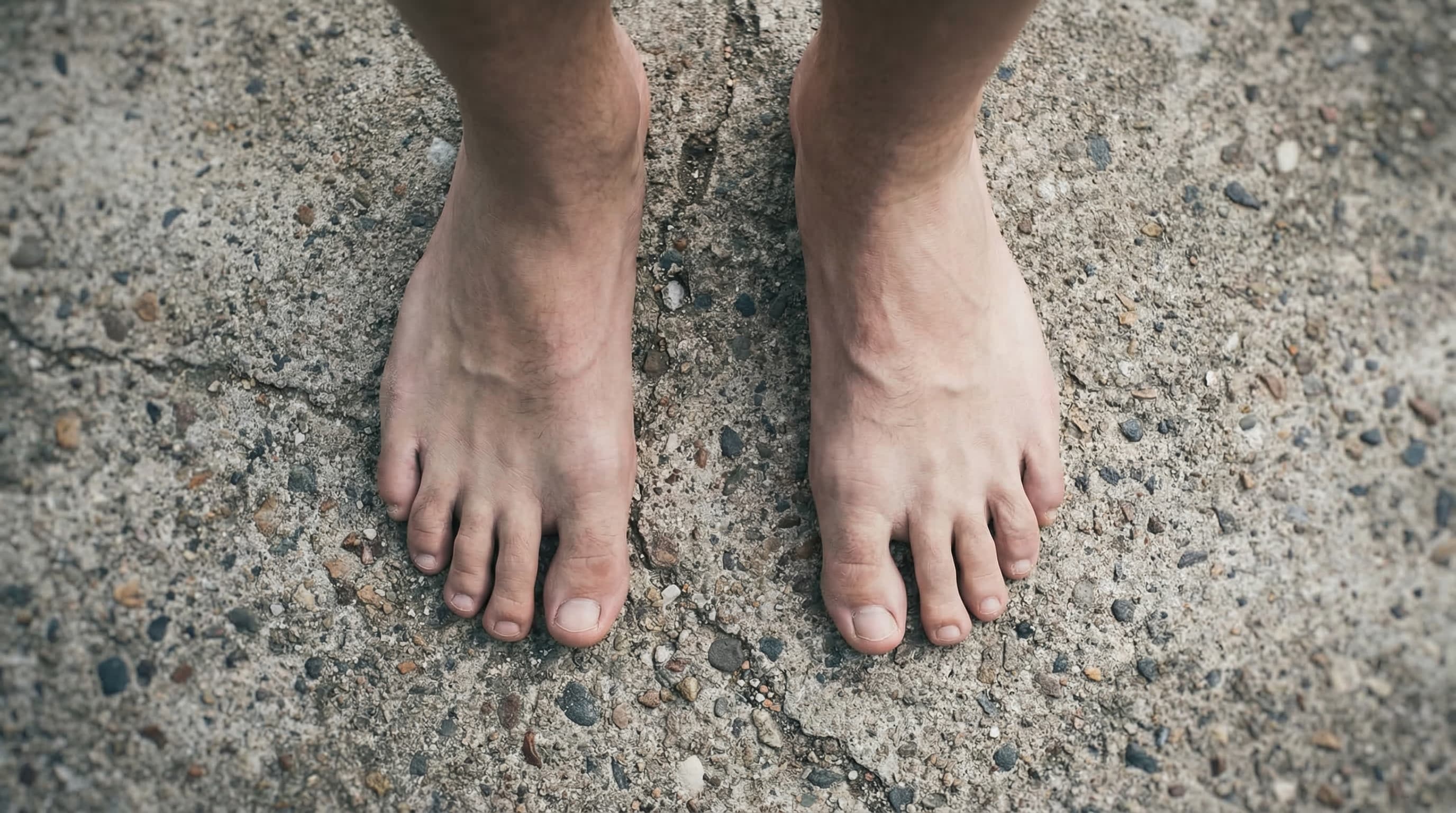
Modern Shoes Are Engineering Your Feet Into Dysfunction
Your feet contain 26 bones, 33 joints, and over 100 muscles, tendons, and ligaments. They are, by any measure, one of the most sophisticated mechanical structures in the human body. And yet, from the moment most of us learn to walk, we encase them in shoes that systematically override their design.
Conventional shoes damage your feet in four compounding ways. First, narrow toe boxes compress your toes into a triangular shape, weakening the muscles between the metatarsals and eventually leading to bunions, hammertoes, and neuromas. Second, elevated heels — even the modest 10–12mm drop found in most running shoes — tilt your pelvis forward, shortening your Achilles tendon and forcing compensatory misalignment all the way up through your knees, hips, and lower back.
Third, excessive cushioning robs your feet of the sensory feedback they need to regulate impact force. A landmark study published in the British Journal of Sports Medicine found that runners in heavily cushioned shoes actually experience higher impact forces than barefoot runners, because the brain loses the proprioceptive signal that tells it to soften the landing. Fourth, rigid soles prevent the 33 joints of the foot from articulating naturally, causing the intrinsic foot muscles to atrophy from disuse — much like putting your arm in a cast for decades.
The cumulative effect is staggering. Over 75% of adults experience foot pain at some point in their lives, and much of it is directly traceable to the shoes they wear. The solution is not orthotics, insoles, or surgery. The solution is letting your feet work the way they were built to.

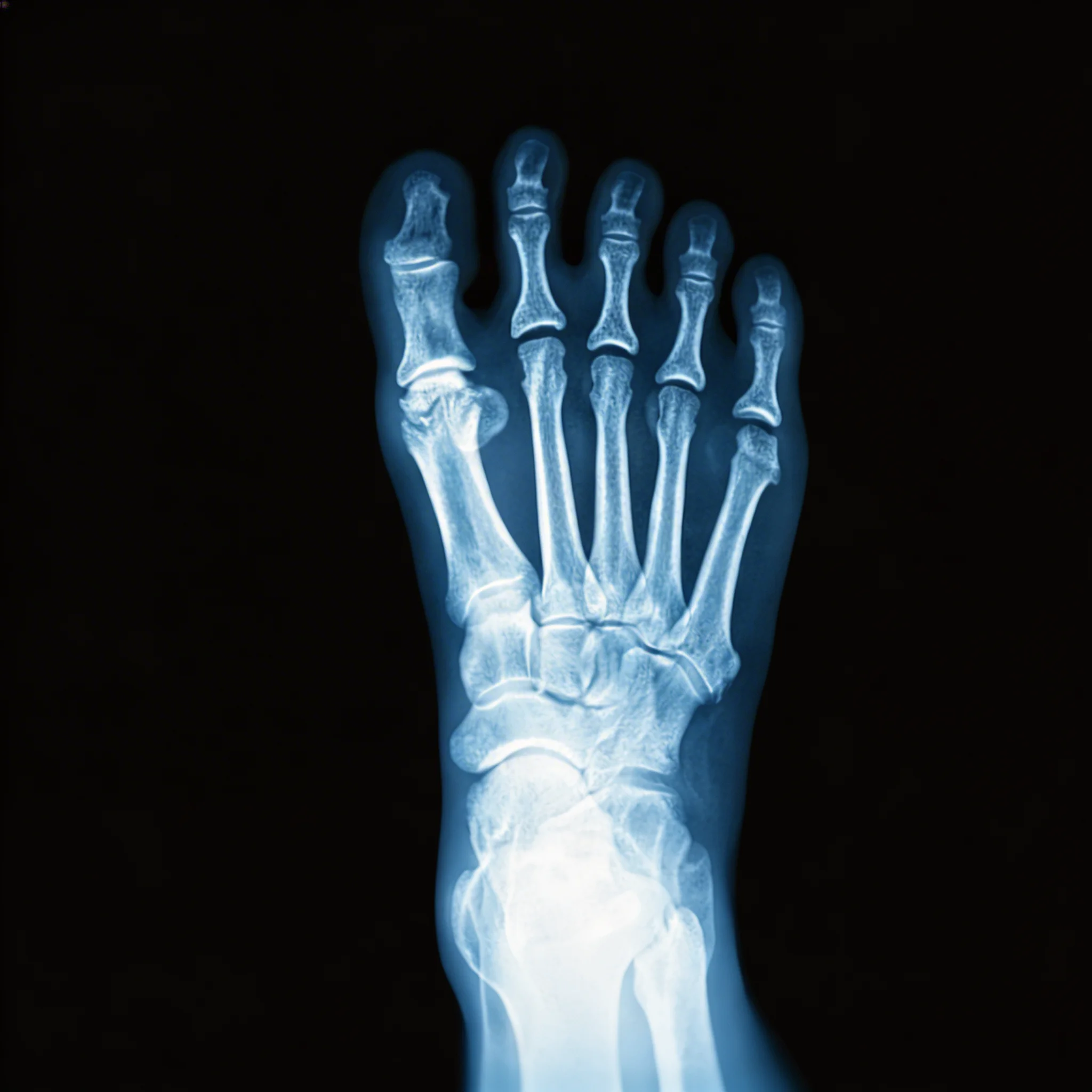
A Wide Toe Box Is Simply Not Enough
In recent years, brands like Vivobarefoot, Xero Shoes, and Altra have made real progress by offering wider toe boxes and lower heel drops. These are genuinely better than conventional footwear, and they deserve credit for shifting the conversation. If you wear any of them, you’re already ahead of most people.
But a wider toe box still has a fundamental limitation: your toes share a single open chamber. Without anything to keep them separated, toes naturally drift together, overlap, and lose their independent range of motion. It’s the difference between wearing mittens and wearing gloves. Both keep your hands warm, but only one lets your fingers actually function.
Individual toe separation is the only way to activate each toe independently — to engage the abductor hallucis, the flexor digitorum brevis, and the dozens of other small muscles that stabilize your arch, absorb impact, and drive push-off power. Research in gait biomechanics consistently shows that isolated toe engagement improves balance, proprioception, and force distribution across the plantar surface of the foot.
The big toe in particular is the most important joint in human locomotion. It supports your entire bodyweight on every stride and is the primary activator of the gluteal muscles. To function correctly, it absolutely must dorsiflex independently from the other toes; this is impossible in a single box.
Peluvas are not a marginal improvement; they enable a vast improvement in foot functionality.
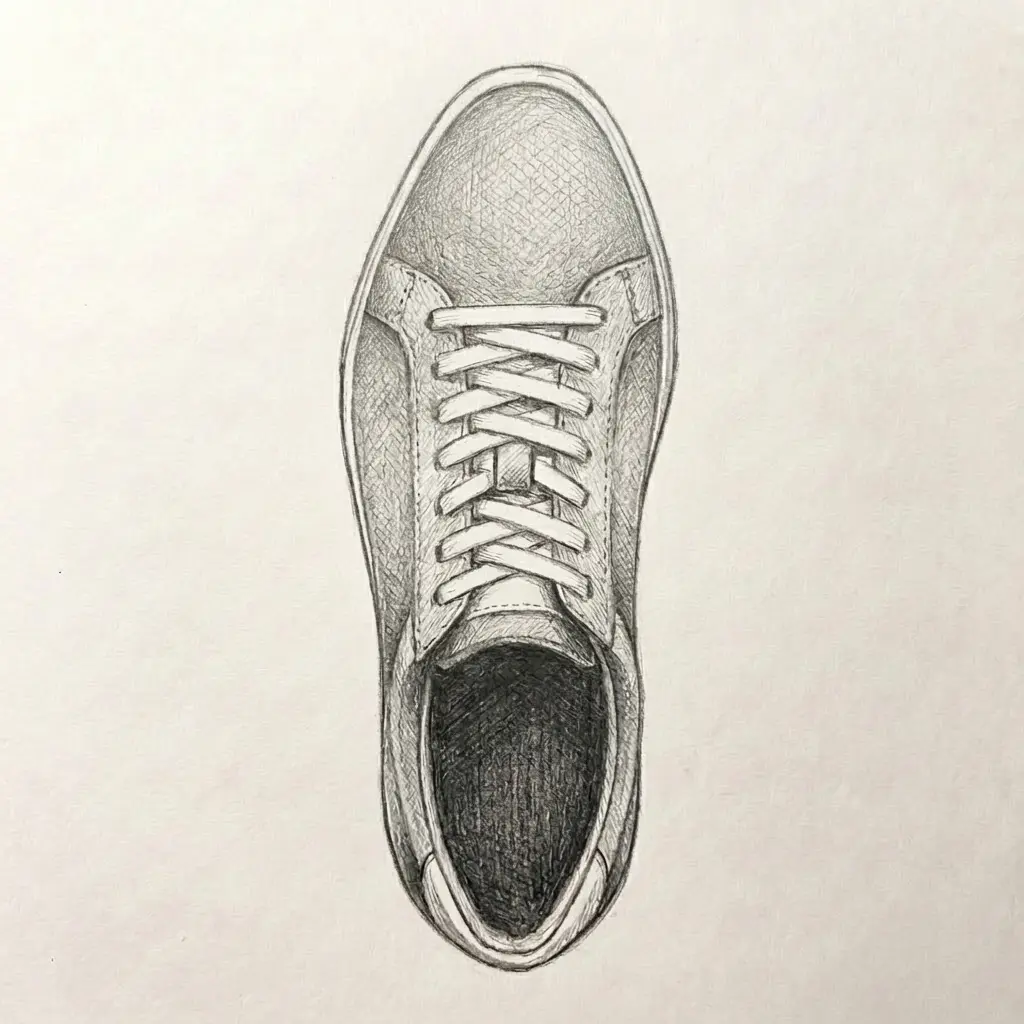
Conventional Shoe
Toes compressed
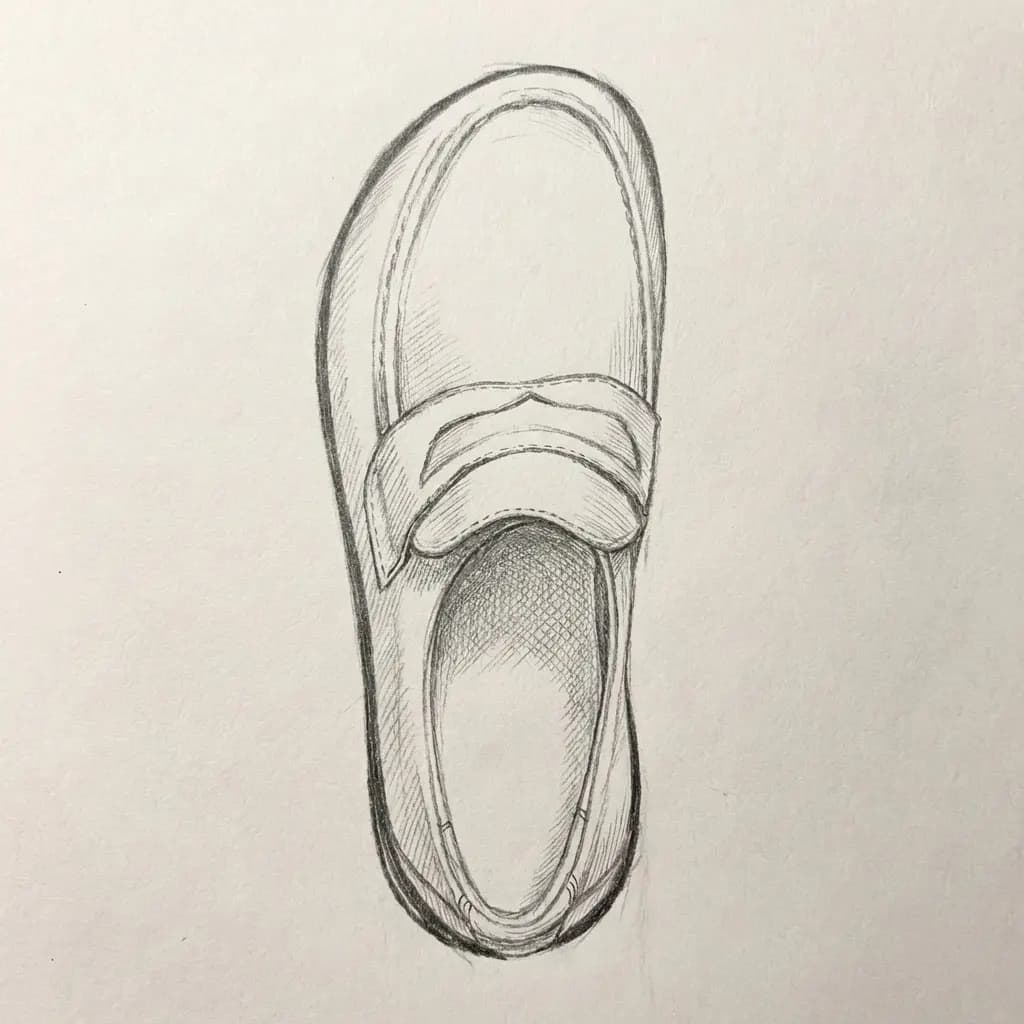
Wide Toe Box
Toes free but unseparated
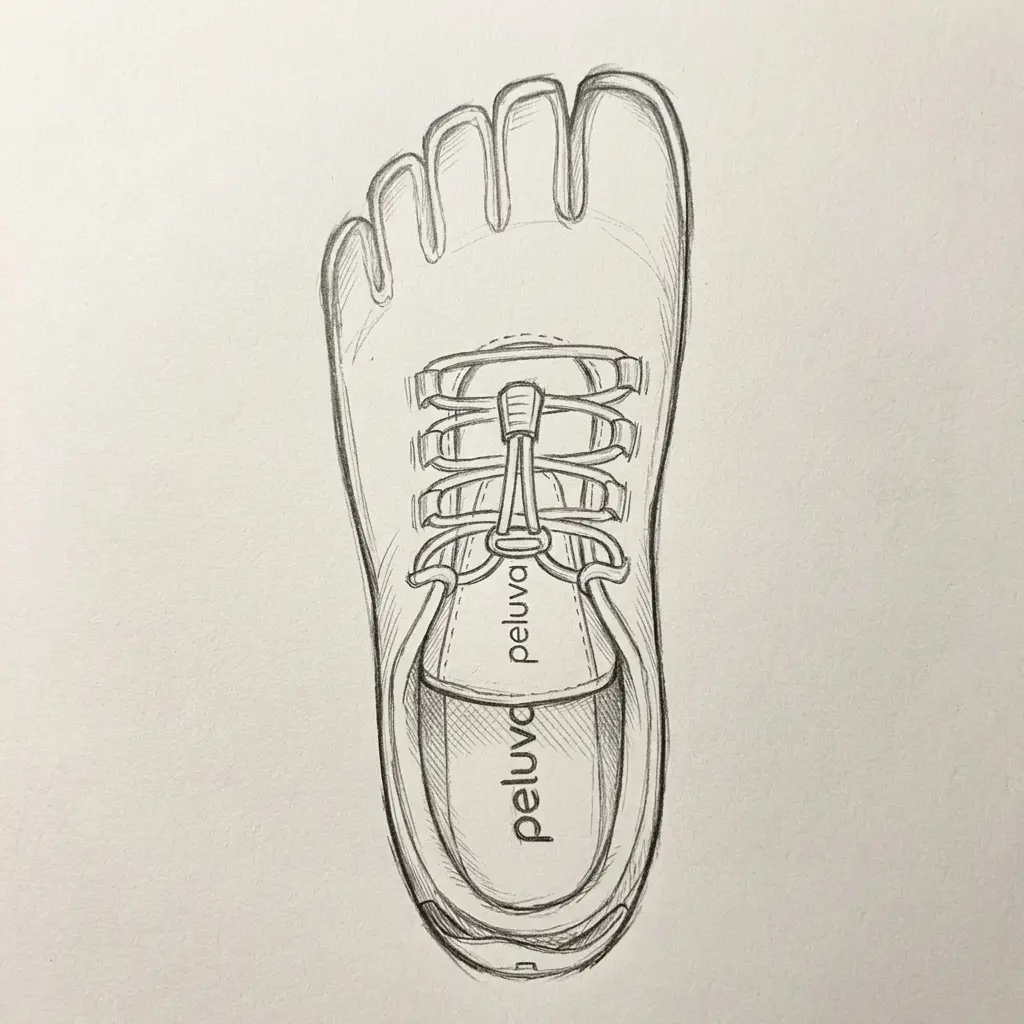
Peluva Five-Toe
Each toe independently active
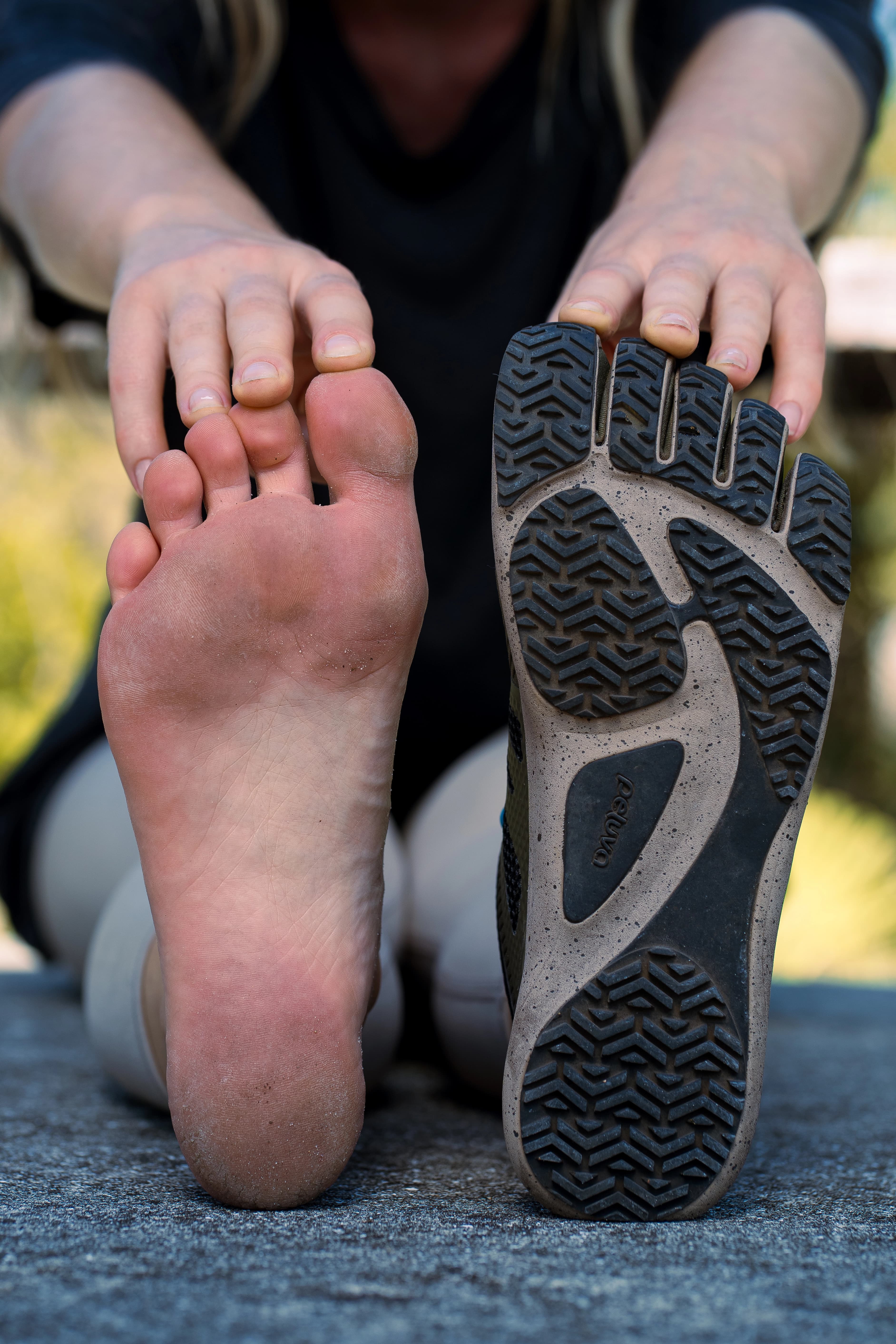
Five Toes, Fully Independent
Each of Peluva’s five toe slots is anatomically contoured to match the natural shape and spacing of your toes. This isn’t a gimmick — it’s a biomechanical requirement. When your big toe can splay independently from your second toe, it activates the abductor hallucis muscle, which is the primary stabilizer of your medial arch.
Within minutes of trying on Peluvas for the first time, you’ll experience an immediate sense of comfort, postural alignment, and improved gait patterns. Within days, people report feeling muscles in their feet they didn’t know they had. Within weeks, they notice improved balance and a more grounded, connected stride. This is your foot waking up — doing what it was always designed to do.
Cushion Where You Need It
The barefoot purist community argues that zero cushioning is ideal. And on a forest trail or a grass field, they’re right. But most of us spend our lives on concrete, asphalt, and tile — surfaces the human foot did not evolve to handle unprotected for thousands of steps a day.
Peluva’s 9mm EVA midsole is the result of extensive testing to find the minimum effective cushion. It’s thick enough to absorb the repetitive micro-trauma of hard surfaces, but thin and flexible enough to preserve the groundfeel and proprioceptive feedback that your brain needs to regulate your gait. Peluvas also improve groundfeel with independent rubber traction pads placed on high-wear areas of the sole and individual toes. This provides excellent grip and durability while preserving a highly flexible and responsive sole. Combined with a zero drop platform, Peluvas let you move naturally without the joint stress that comes from going fully unpadded on modern terrain.

A Shoe For Every Occasion
The biggest objection to barefoot shoes has never been the scientific rationale — it’s the harsh transition to a zero-cushion shoe, as well as the strange appearance that makes them feel out of place everywhere but the gym or the trail.
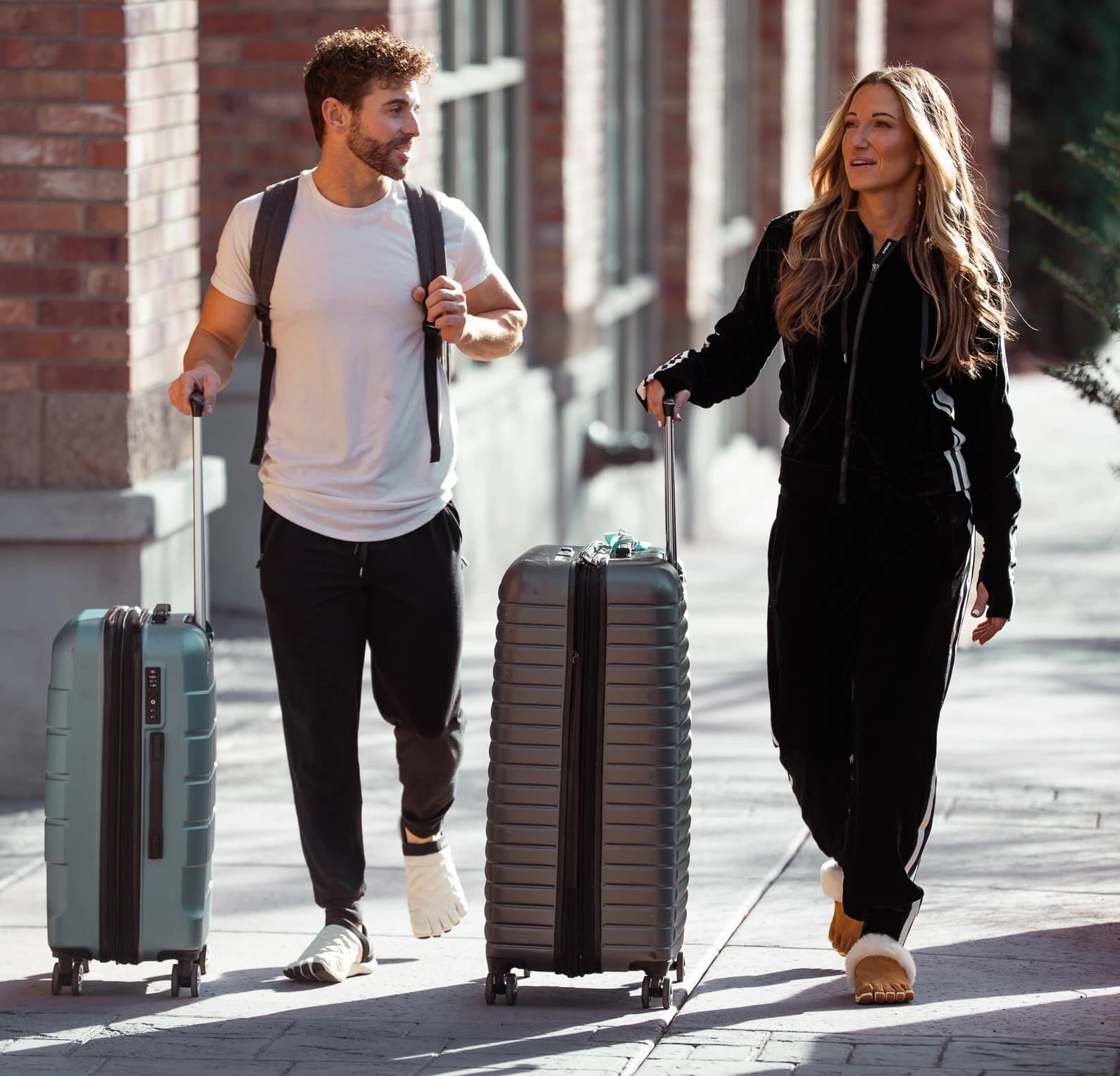
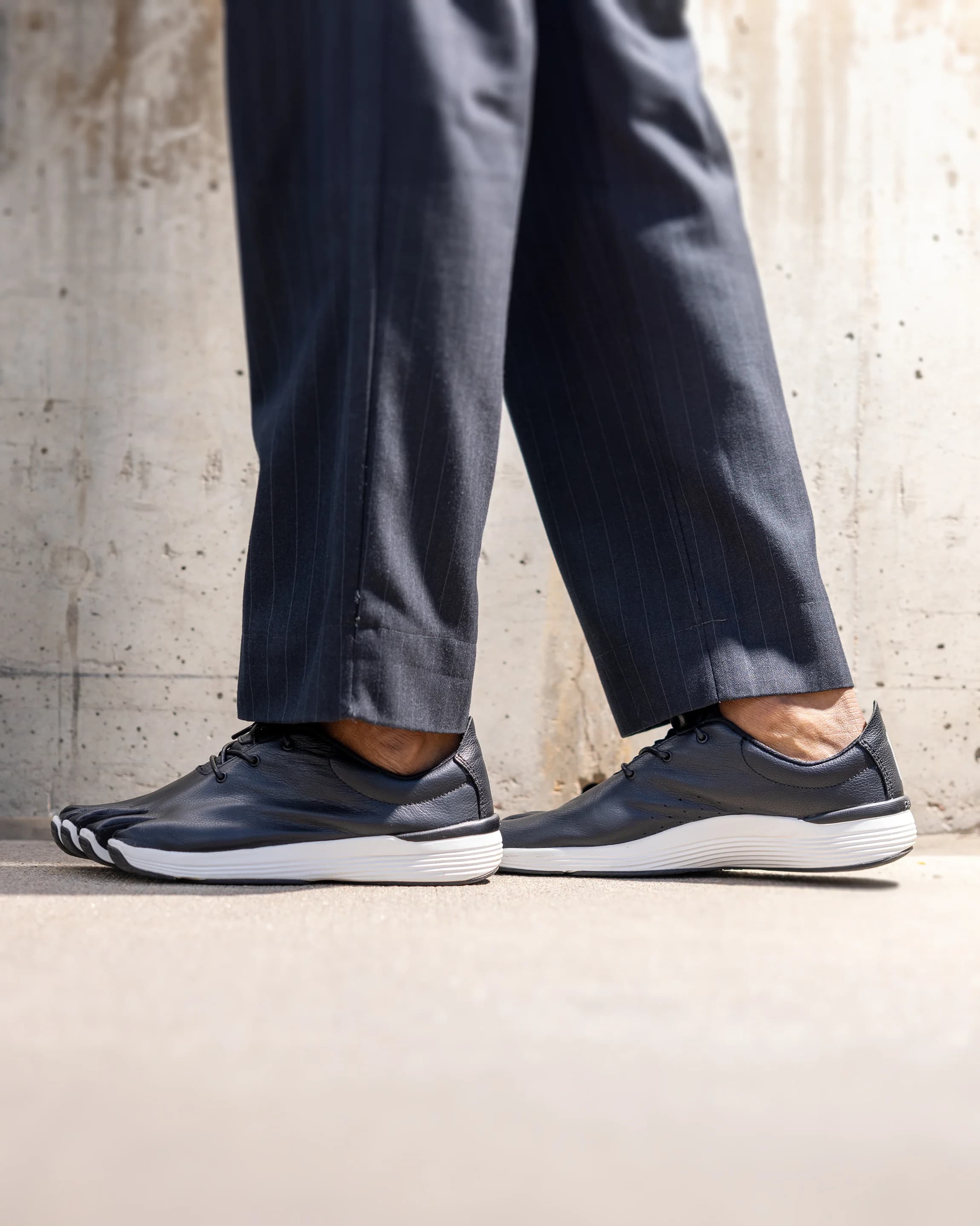
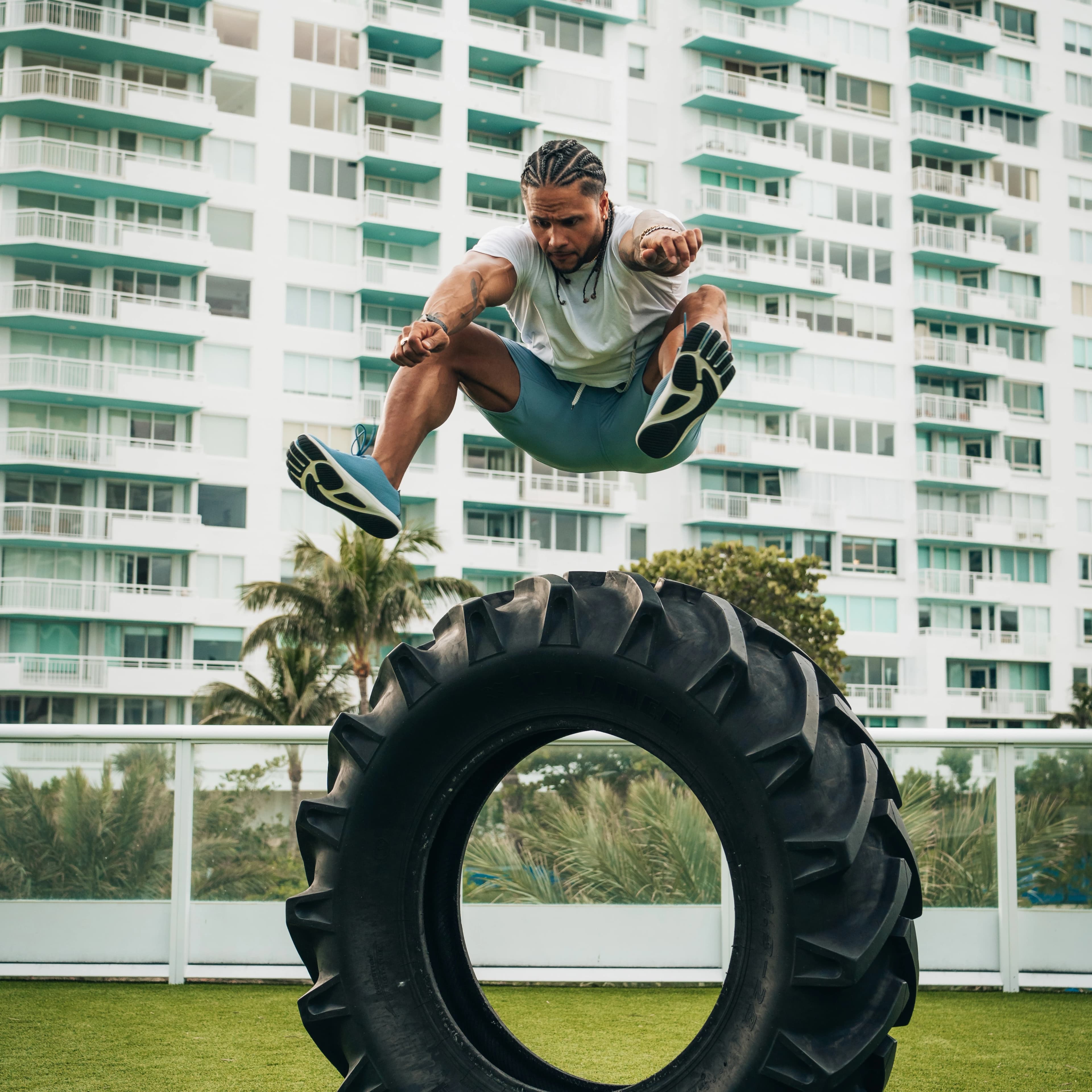
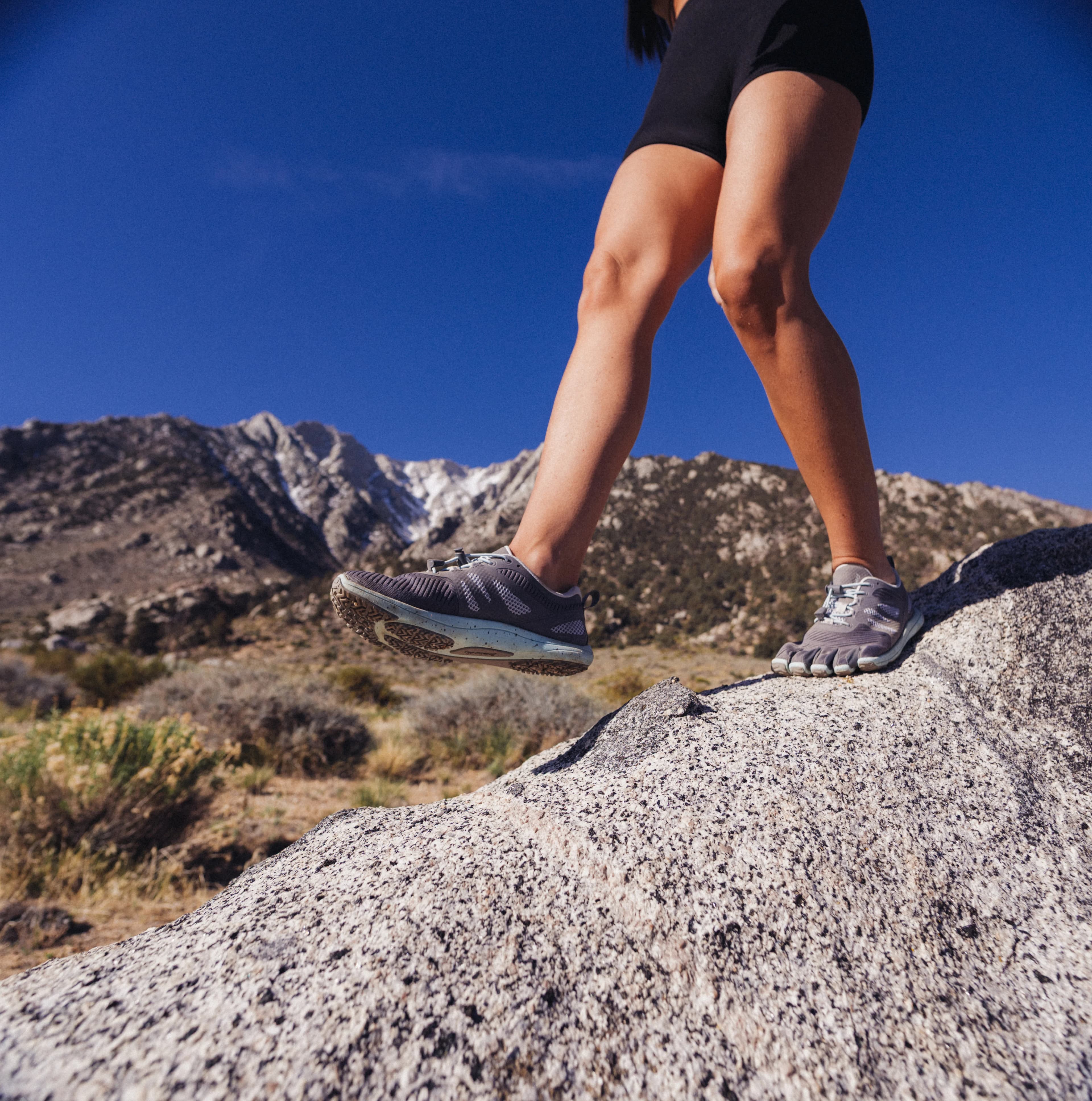
Peluva makes shoes for every occasion: walking and all-day comfort; all manner of gym workouts and fitness endeavors; hiking — even on the most rugged trails; custom-designed golf and court shoes to awaken a new functionality in sports where you need it most; and other specialized models for dressy occasions, casual lounging, and even a stylish, warm and functional winter boot.
Every Peluva model features the same five-toe foundation and zero-drop construction, so you never have to choose between your foot health and your personal style. You wear them because they look good. You keep wearing them because they feel extraordinary.
What the Experts Say

“Peluvas five-toe design and flat, flexible sole enables natural posture, groundfeel, and toe splay. Peluvas provide the ideal environment for the nerves, joints, bones, muscles and tendons to rehabilitate and strengthen.”
Dr. Andy Bryant
Podiatrist

“Peluva's toe-spreading toe box and sport-cushioning sole is perfect for those who want a zero-drop, flexible sole with a little cushion for transitioning feet or athletic pursuits!”
Katy Bowman
Author of Whole Body Barefoot

“As a functional podiatrist I look for footwear that supports the natural function of the foot and the important role it plays in controlling human movement. Peluva offers footwear that allows the foot to move as it was designed while creating stability and strength through the toes.”
Dr. Emily Splichal
Podiatrist